Casa Vasanta
Renovation of a 1920s Spanish home in the Hollywood Hills
2 390 sf
Los Angeles, CA
Atelier Domange Architectural Design
Nick Daniels Contractor
TY Engineering Structural
Completed September 2024

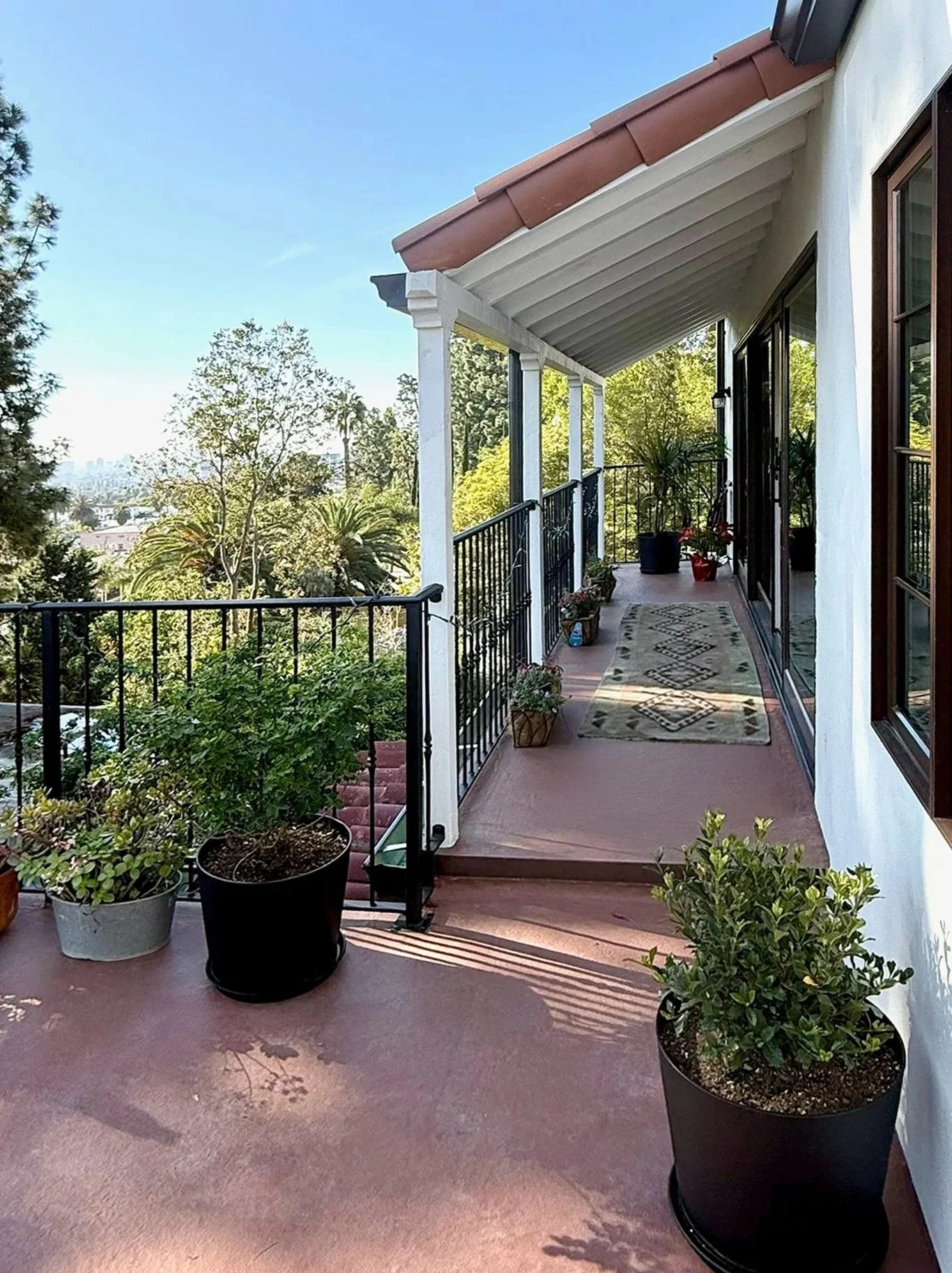
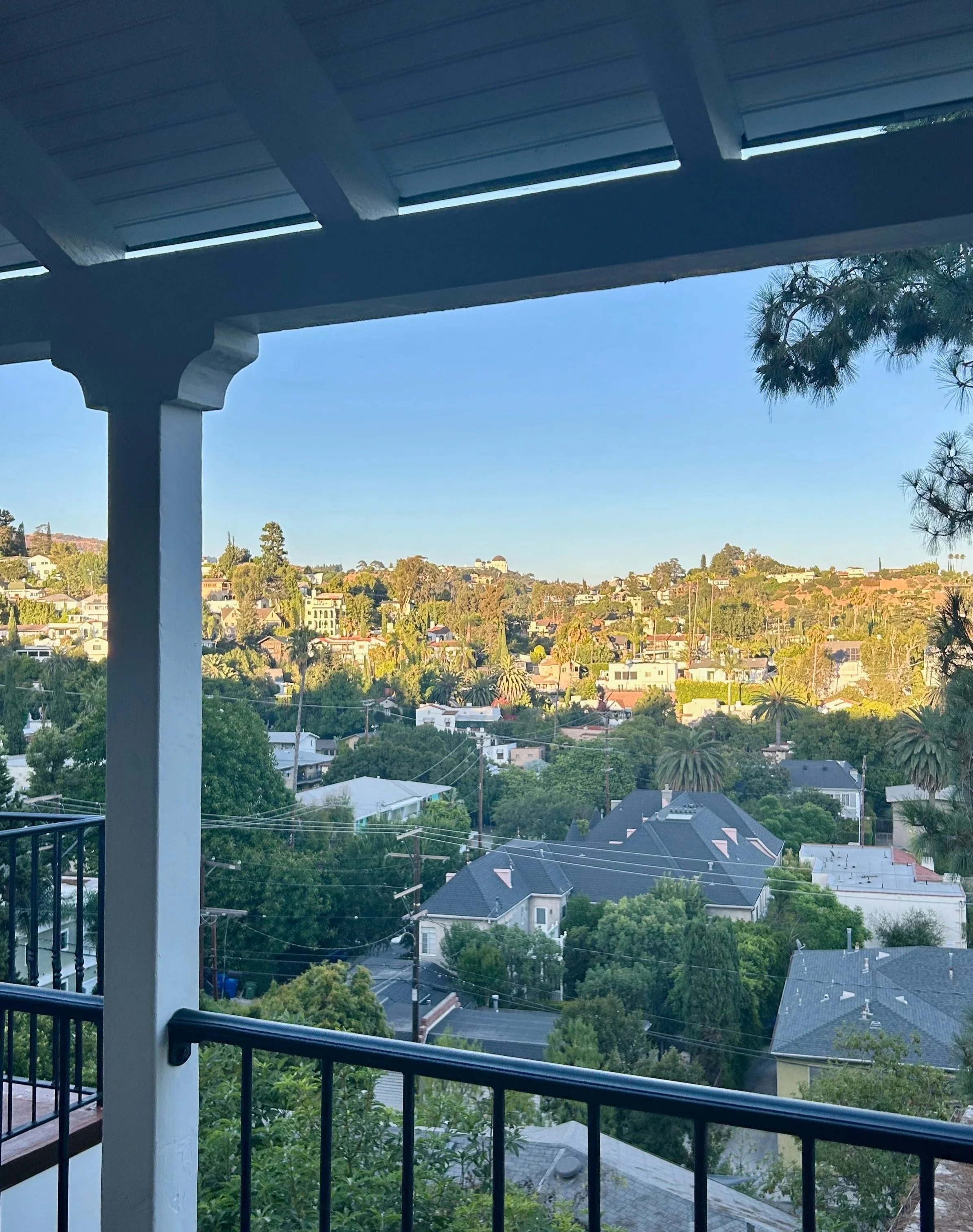
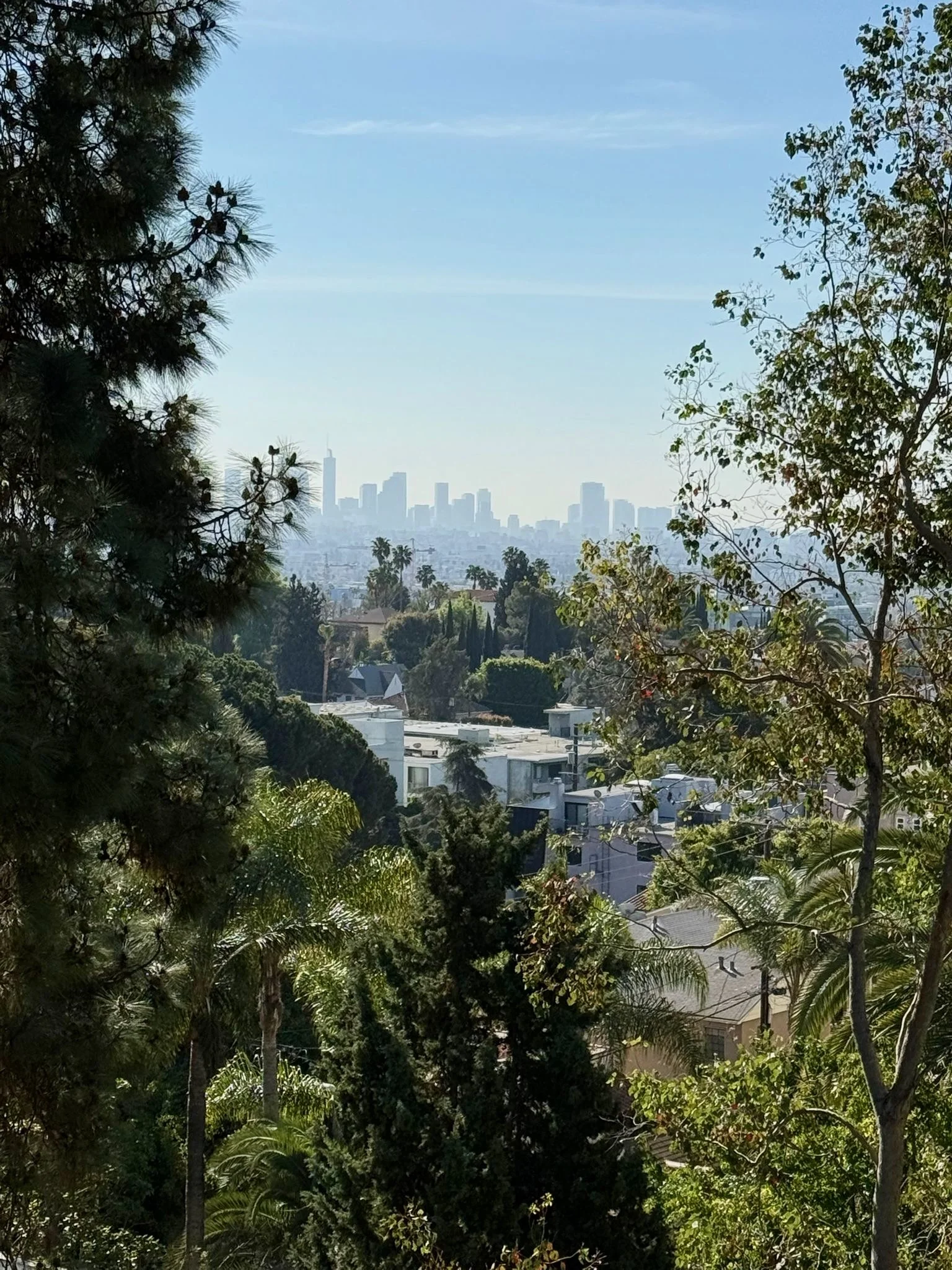
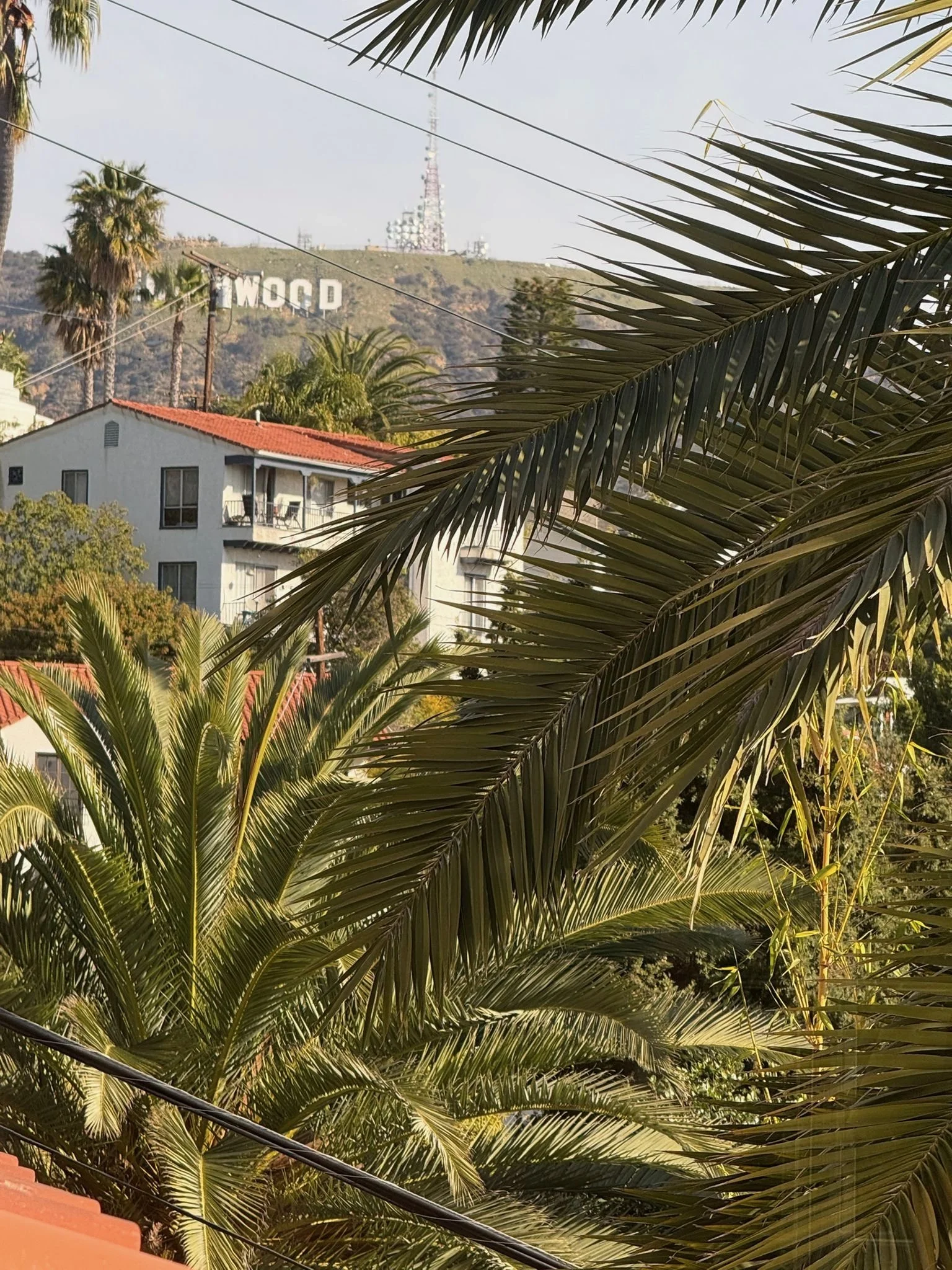
Located in the Hollywood Hills, this three-story Spanish home was originally built in 1921 as a small bungalow for actors. It has since undergone a series of vertical and horizontal extensions, decomposing its original style and disorienting its plan. Its complete renovation sought to restore the home’s original character, consolidate its parts and highlight its magnificent views facing the historical Griffith Observatory, Downtown LA and the Hollywood sign.
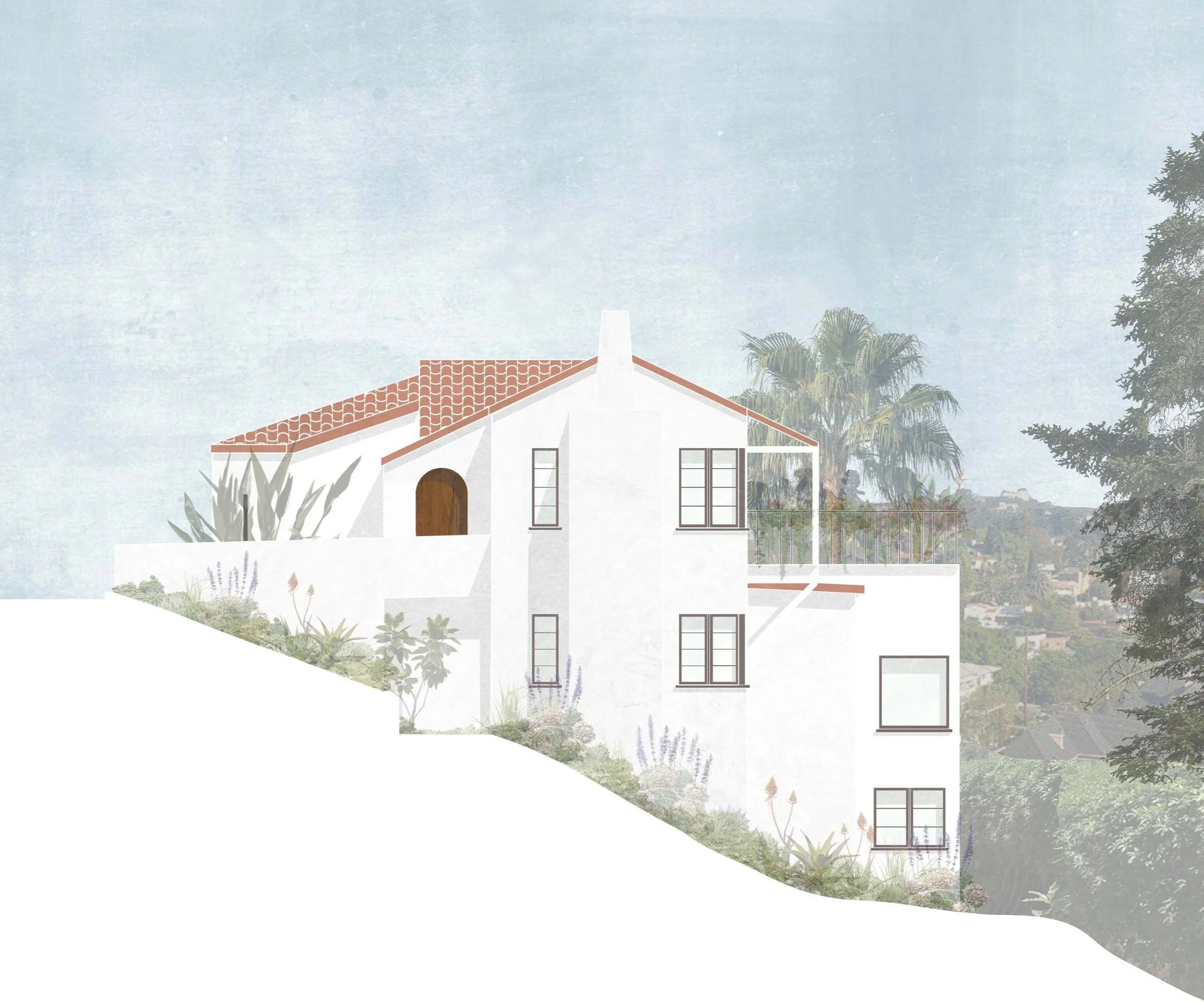

The intention was to orient the house toward the hillside, preserving its privacy on the street side while inviting nature and light into every interior space. The home’s siting and orientation offered a climatic advantage, enabling east–west cross-ventilation facing the slope, previously underexploited. New openings were created to frame views, while promoting natural passive ventilation suited to Los Angeles’s Mediterranean climate.
In compliance with Title 24, California’s energy performance code, new double-glazed windows were installed, matching the originals. In this contrasting climate, the house opens during the day to cool naturally and closes at night to retain warmth.
To preserve the home’s history and identity, the approach was akin to a restoration of the original style, reinterpreted through a contemporary lens. It sought to recapture the authenticity of the early twentieth-century Spanish revival style — emblematic of Southern California — through spatial organization, the dialogue between interior and exterior and the choice of finishes.
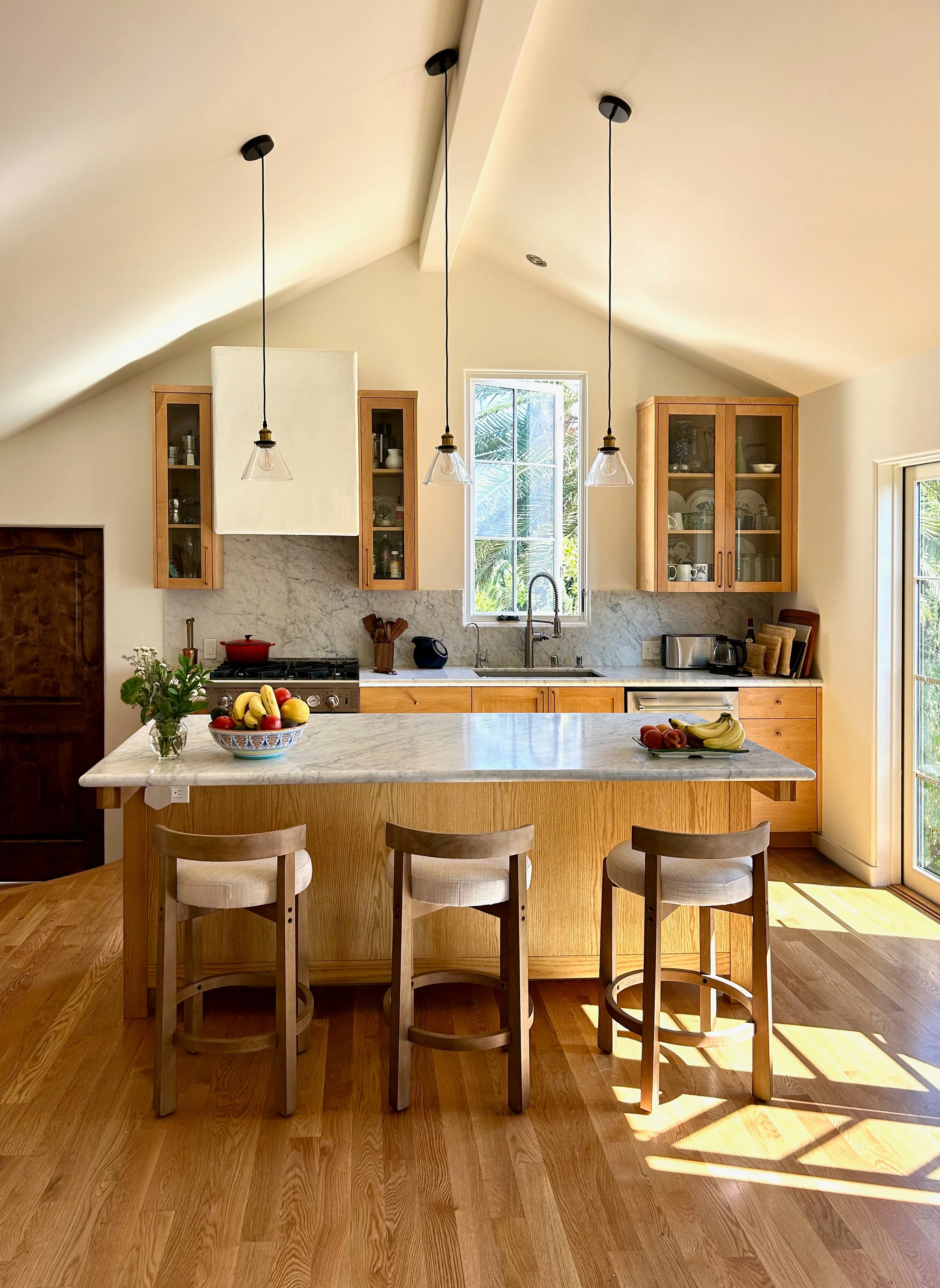
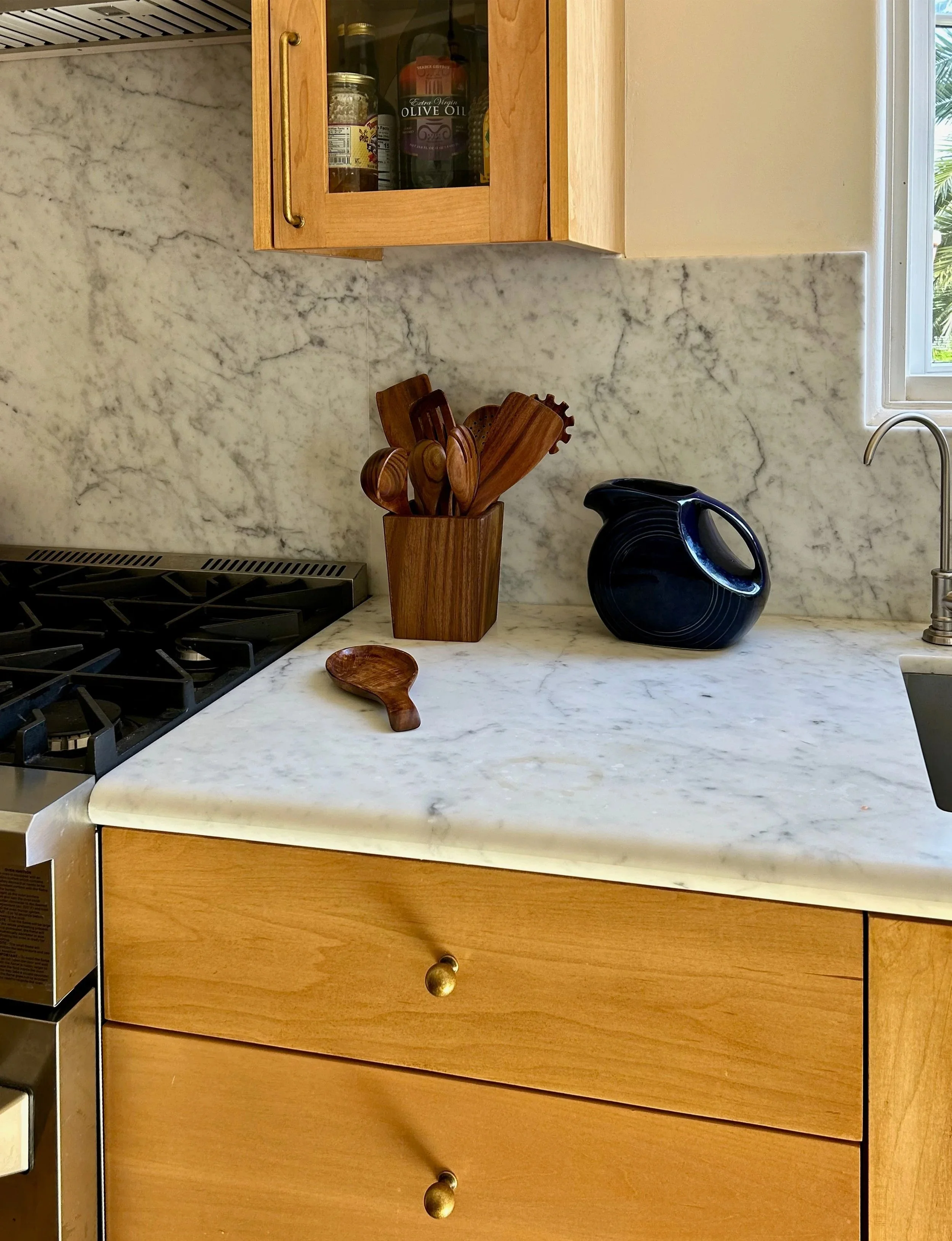
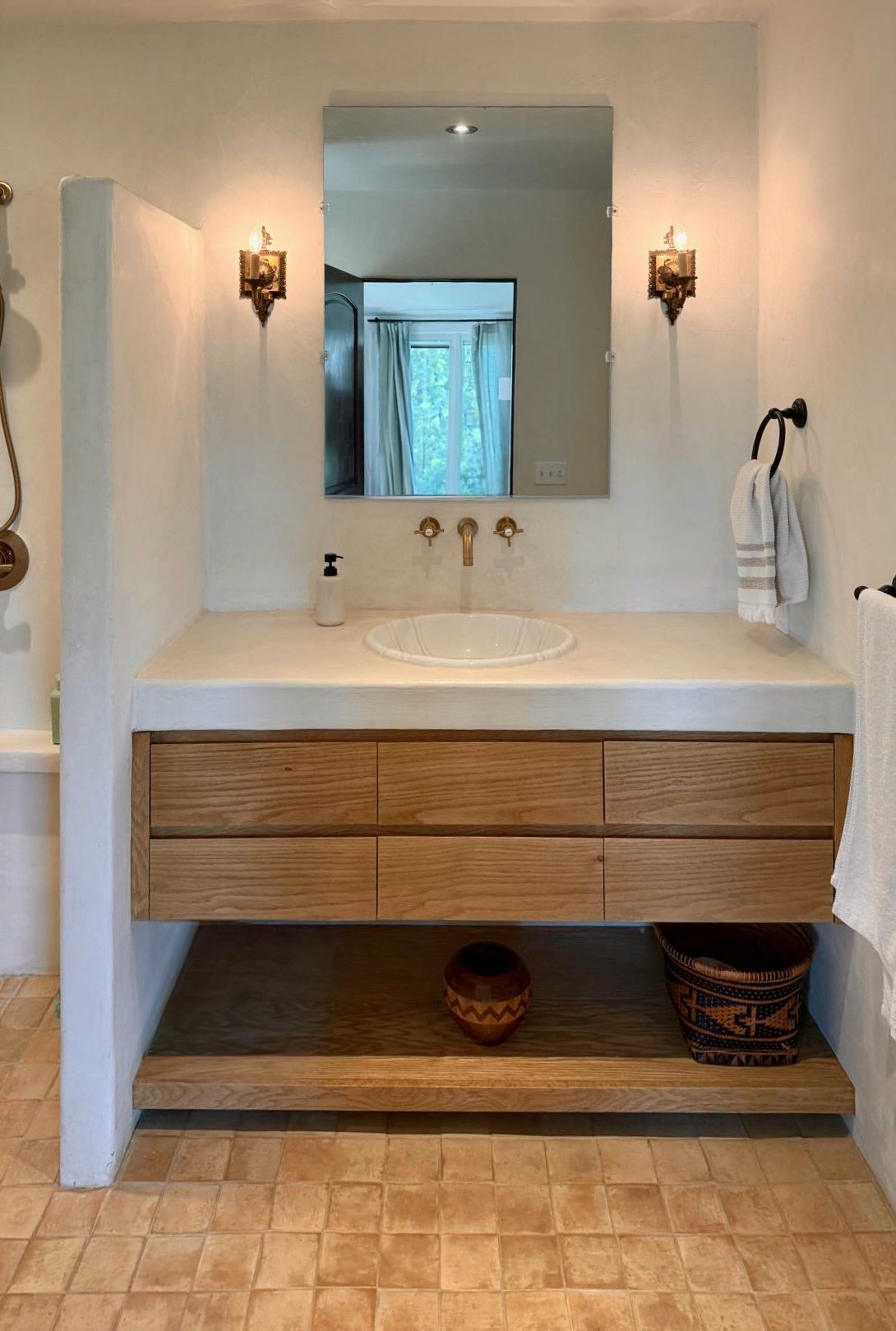
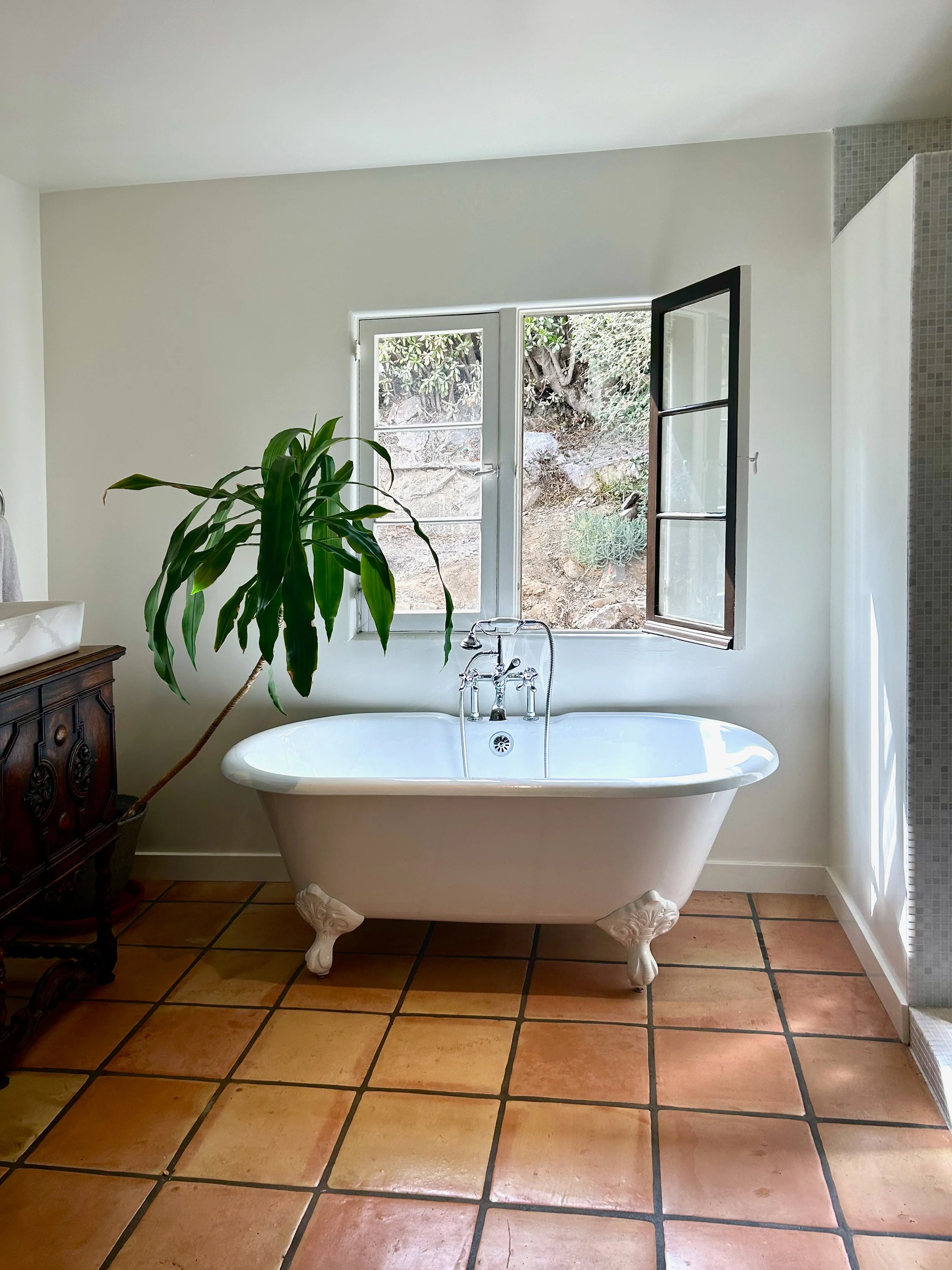
This architectural language is rooted in natural and mineral materials—clay, wood, stone, wrought iron—crafted here in collaboration with local artisans: Saltillo tiles, marble countertops and solid wood flooring and millwork. The white plastered surfaces—whether it be the exterior stucco envelope or on elements associated with fire, such as the fireplace and kitchen hood—extend this language through continuous curves and softened lines.
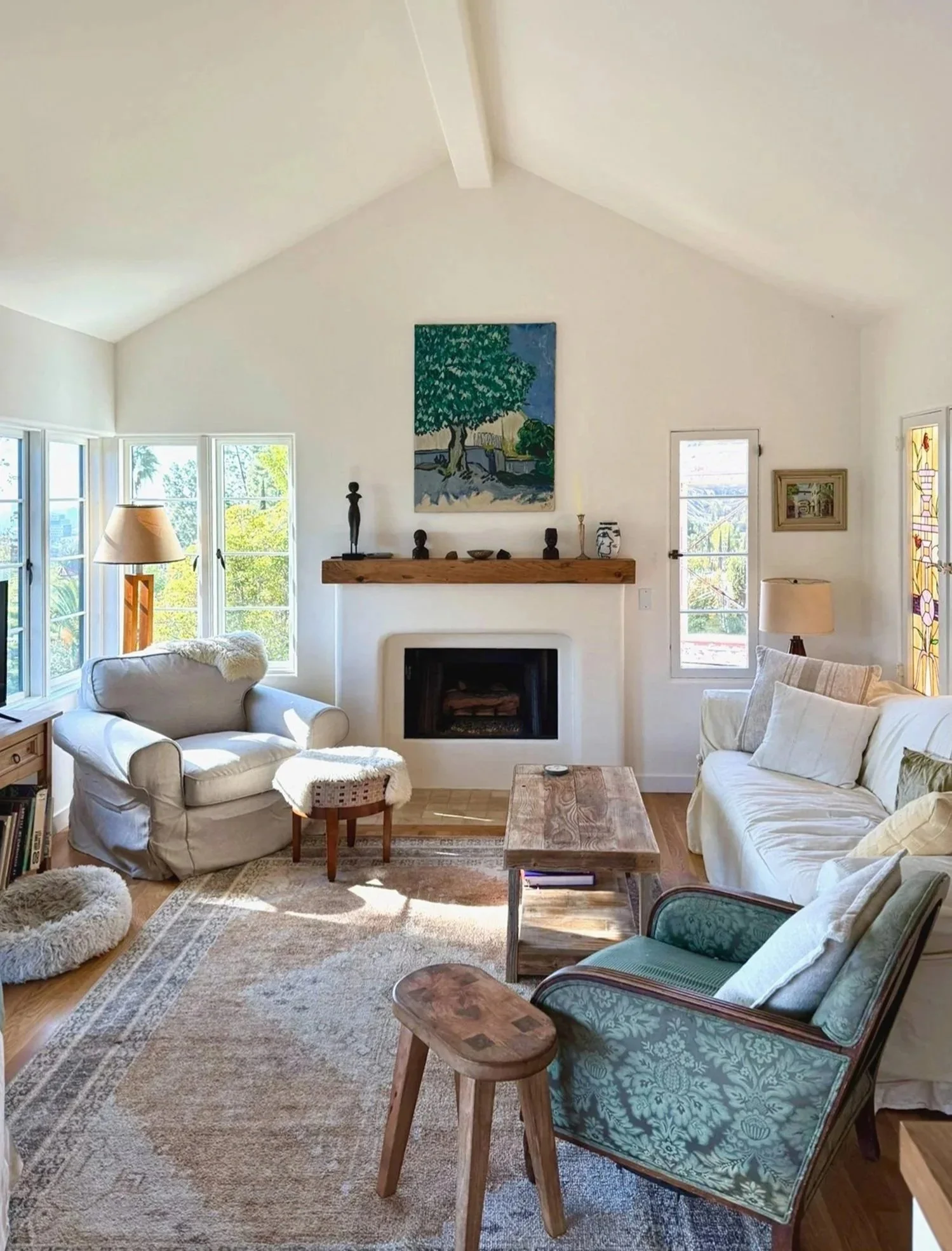
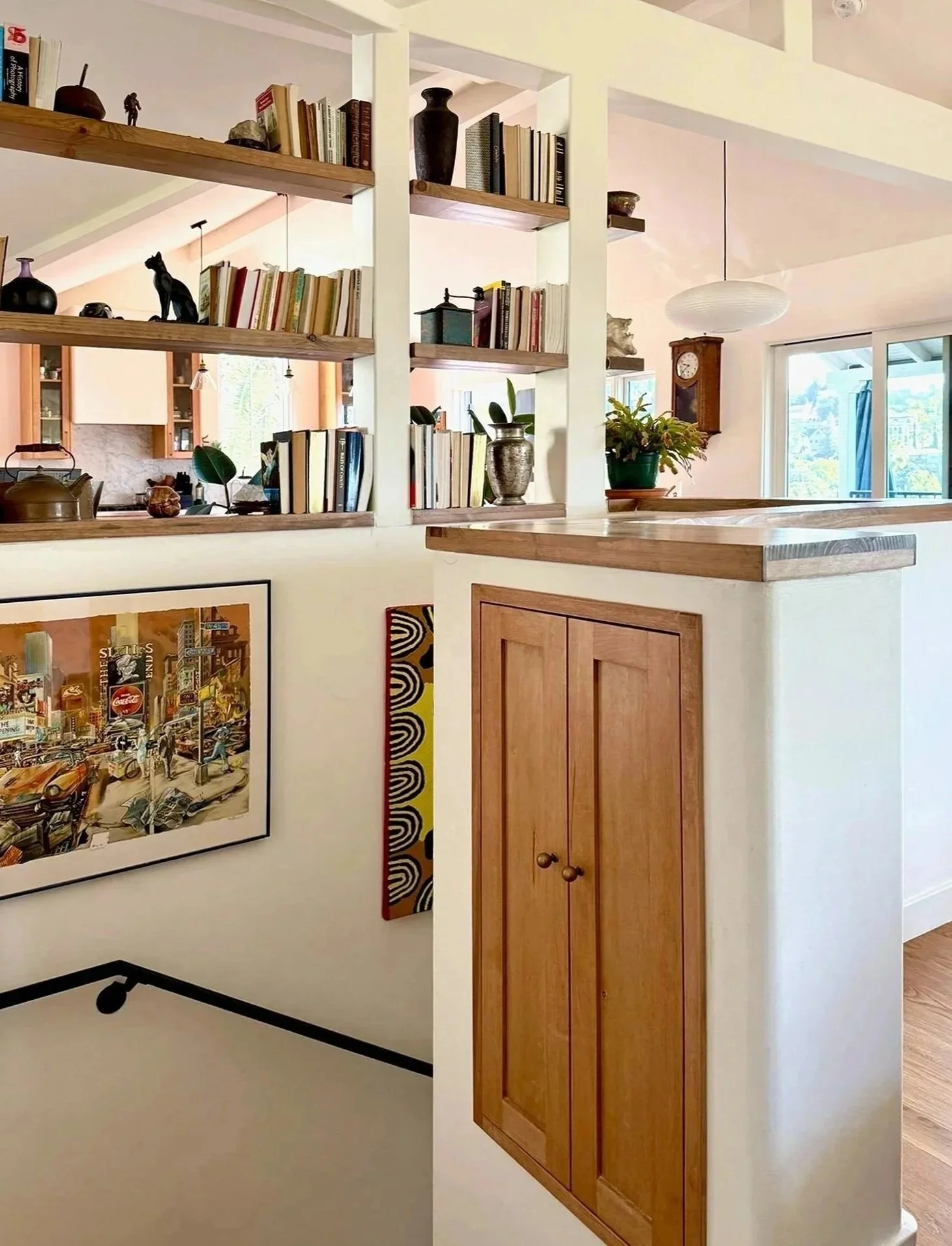
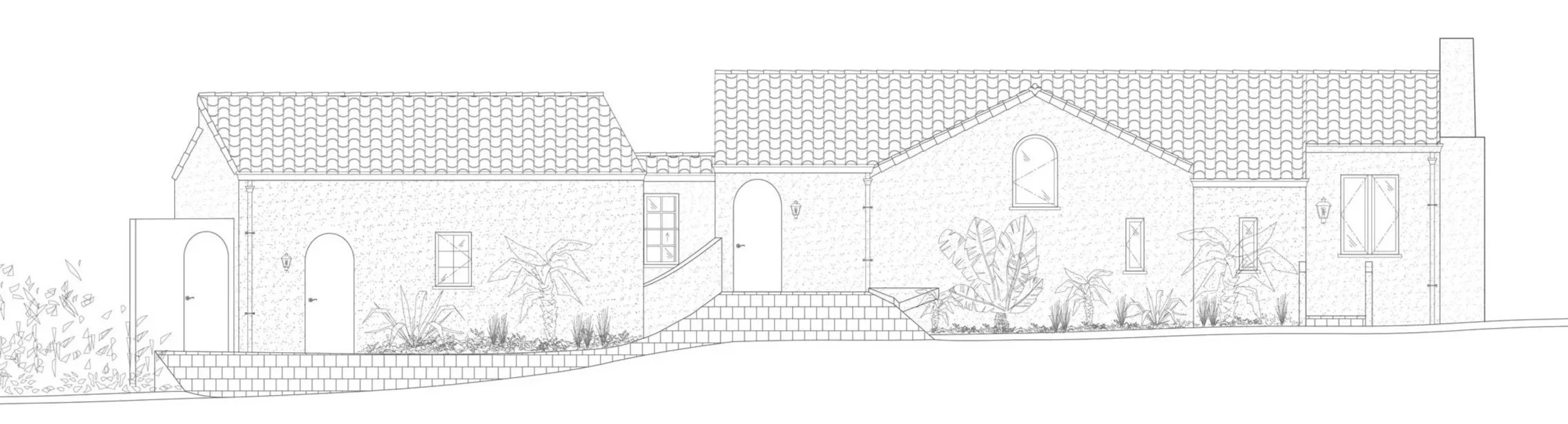
True to local typologies, the entry way is on the upper level, giving onto the street. This floor contains the main living area, composed of an open kitchen, dining space and living room, all spilling out onto a deck overlooking the Hollywood Hills. The dual-pitched roof translates inside as a cathedral ceiling. A major structural intervention was carried out to free the volume and reveal the structure, including the raising of a portion of the roof to align with the main slope while preserving the original clay tiles.
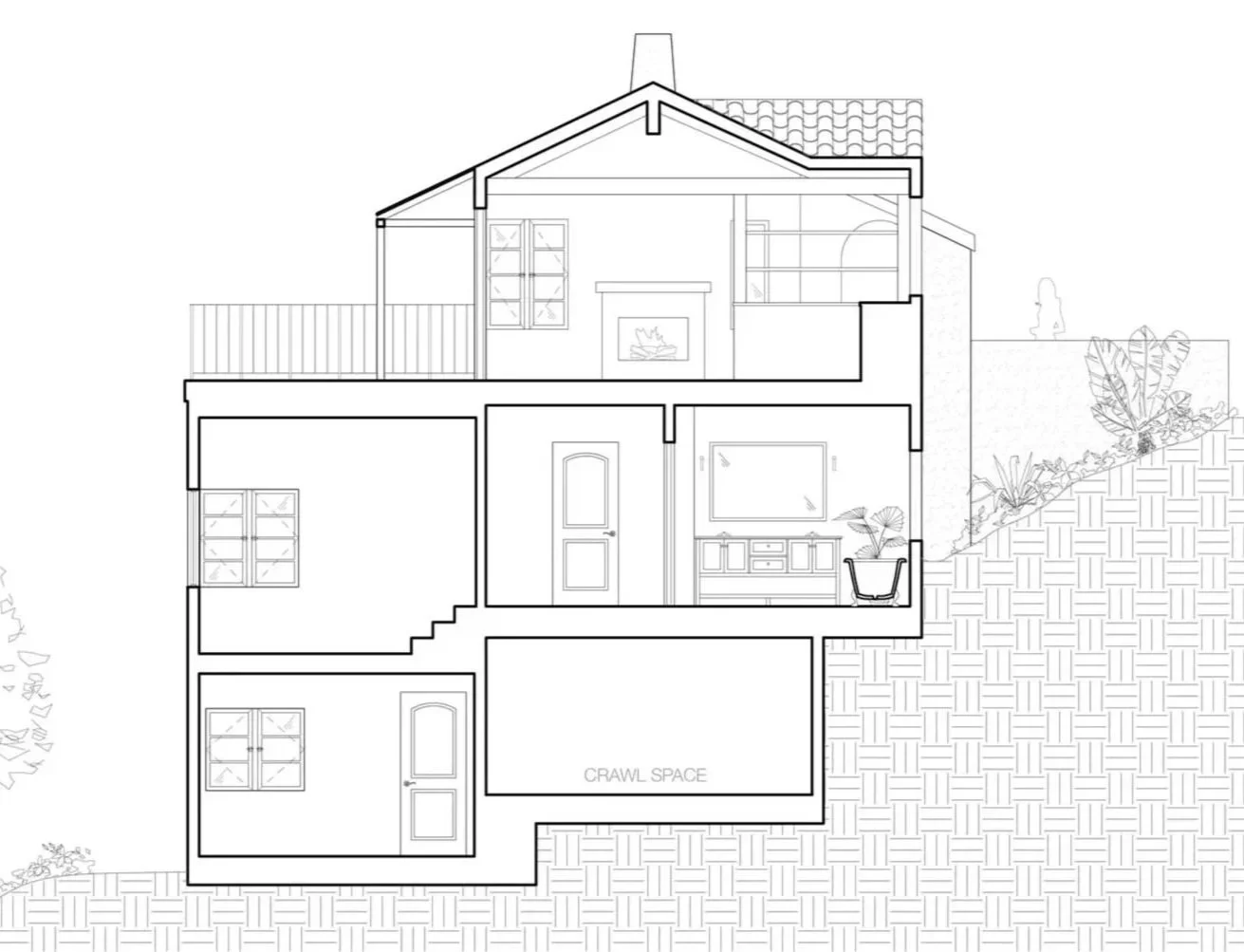
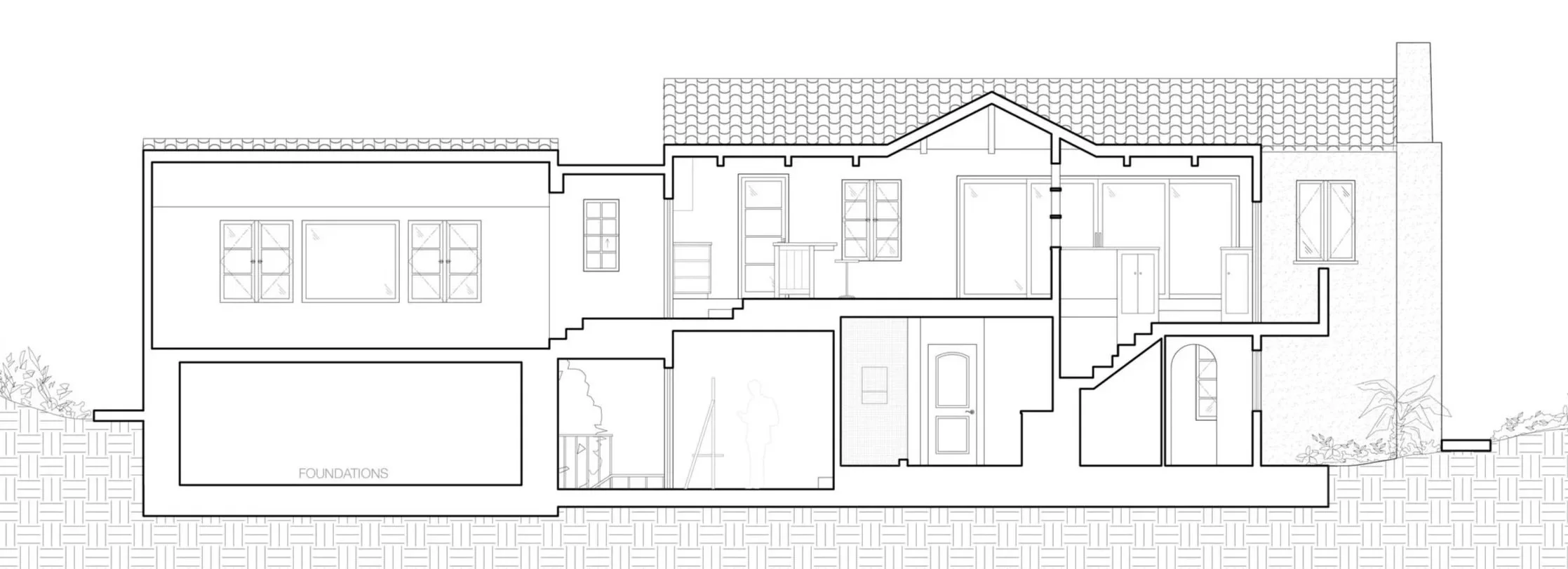
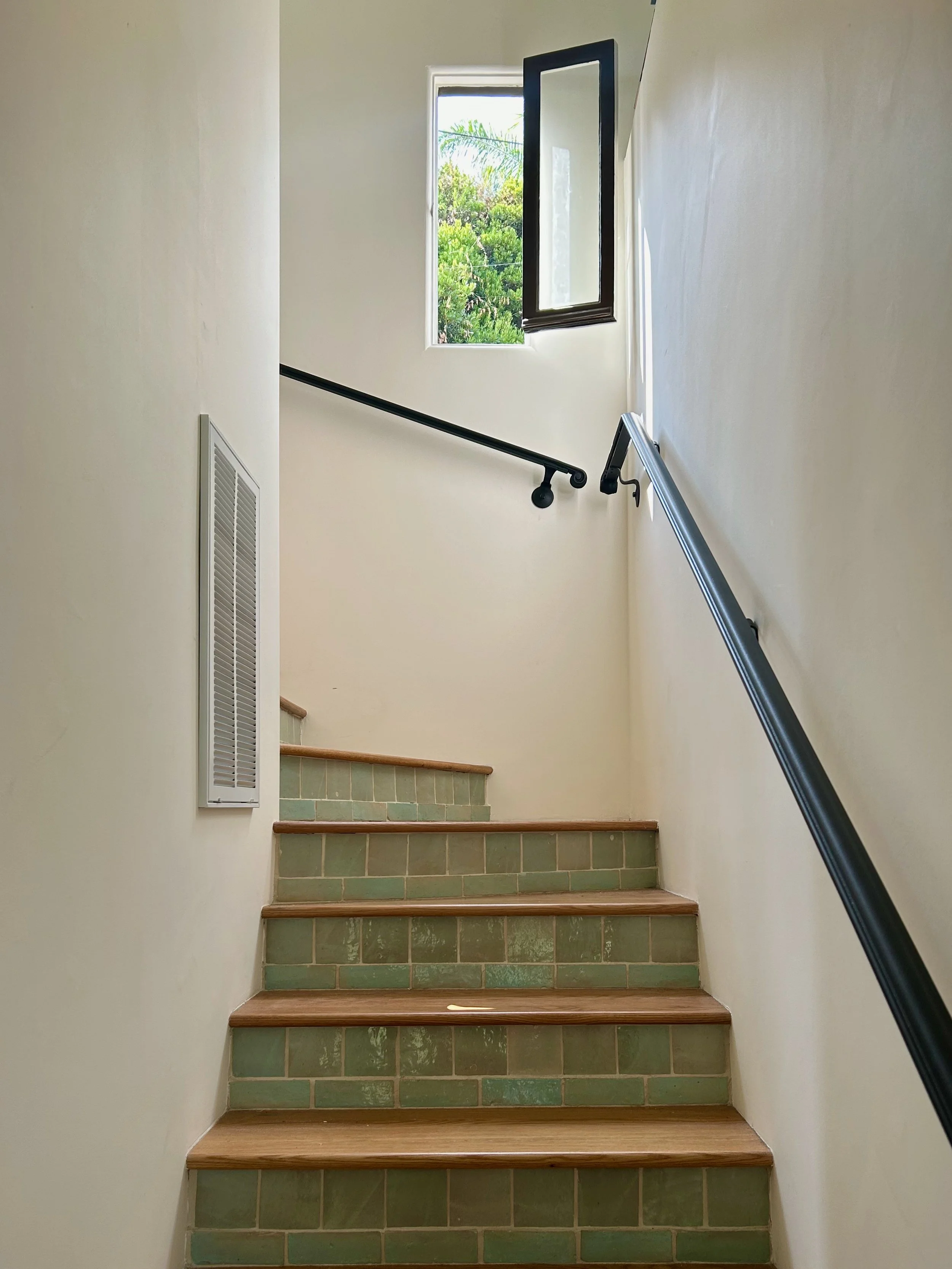
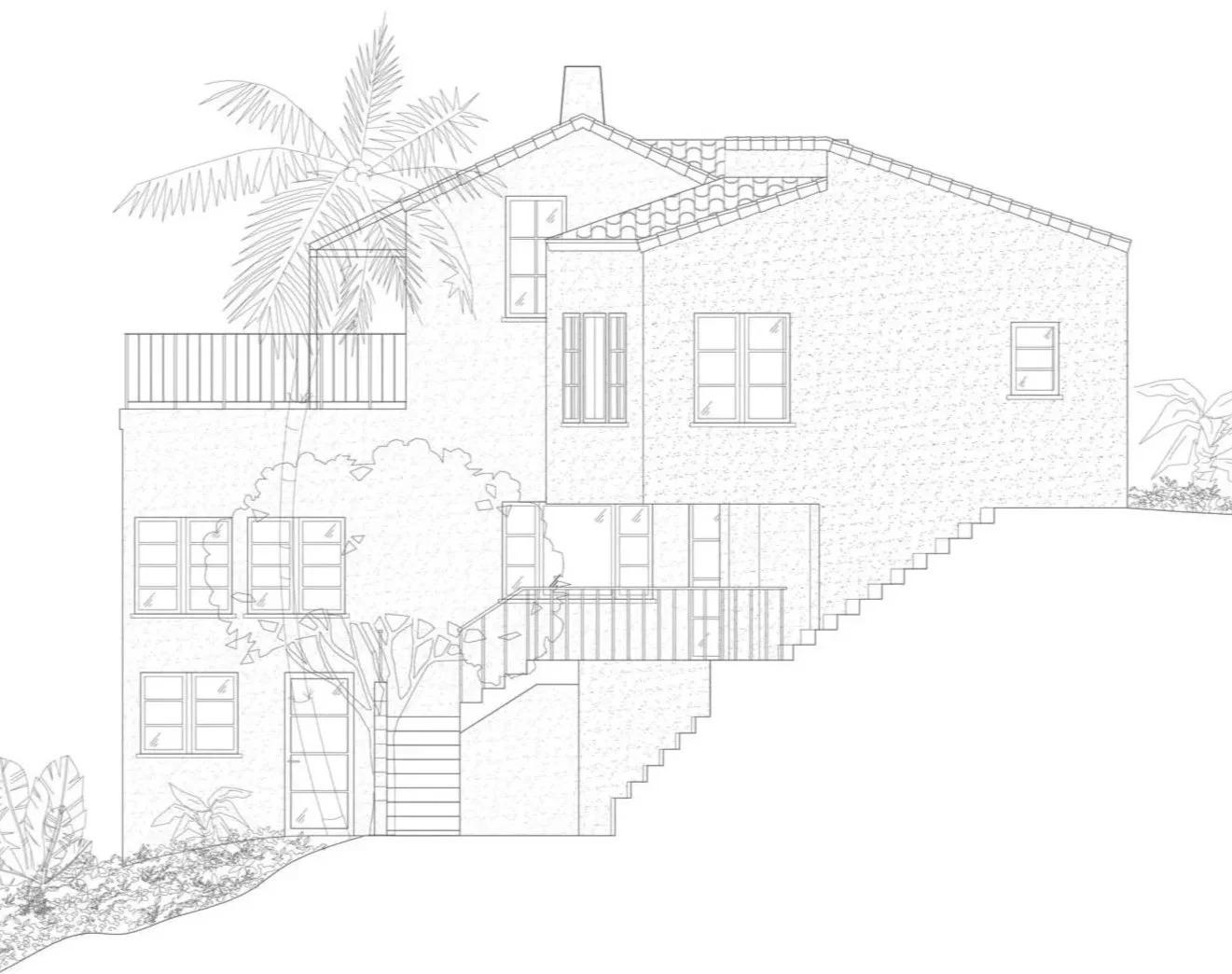
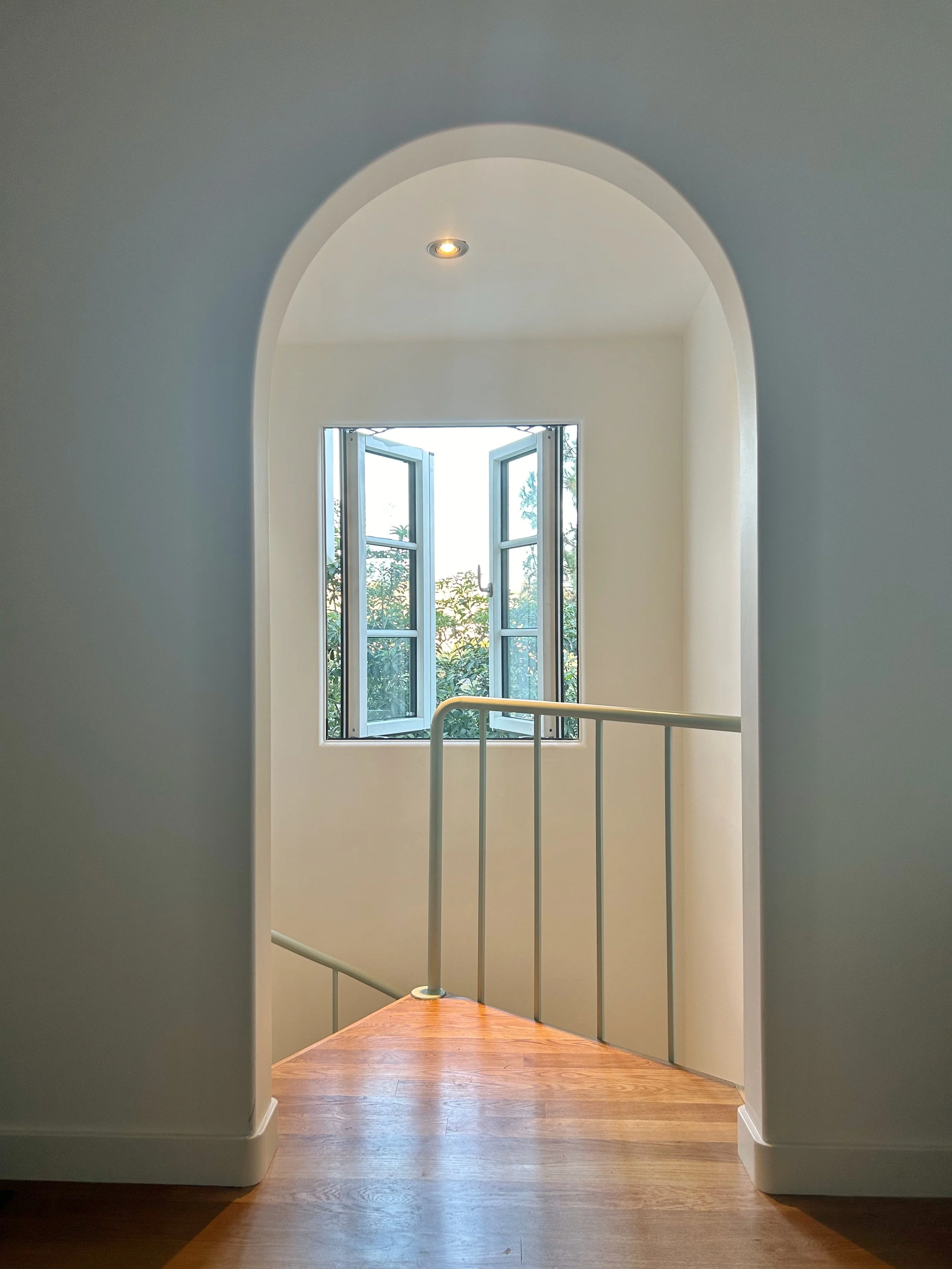
The site’s topography created interior level changes across all three floors—short flights of steps separating rooms and disrupting the fluidity of the plan. These variations were integrated into the new layout, sometimes shifted slightly to become part of the project’s spatial logic. Its location within a VHFSZ (Very High Fire Severity Zone) also required designing a fire-resistant envelope and reinforcing the structural frame to accommodate the interior transformation and meet California’s seismic standards.
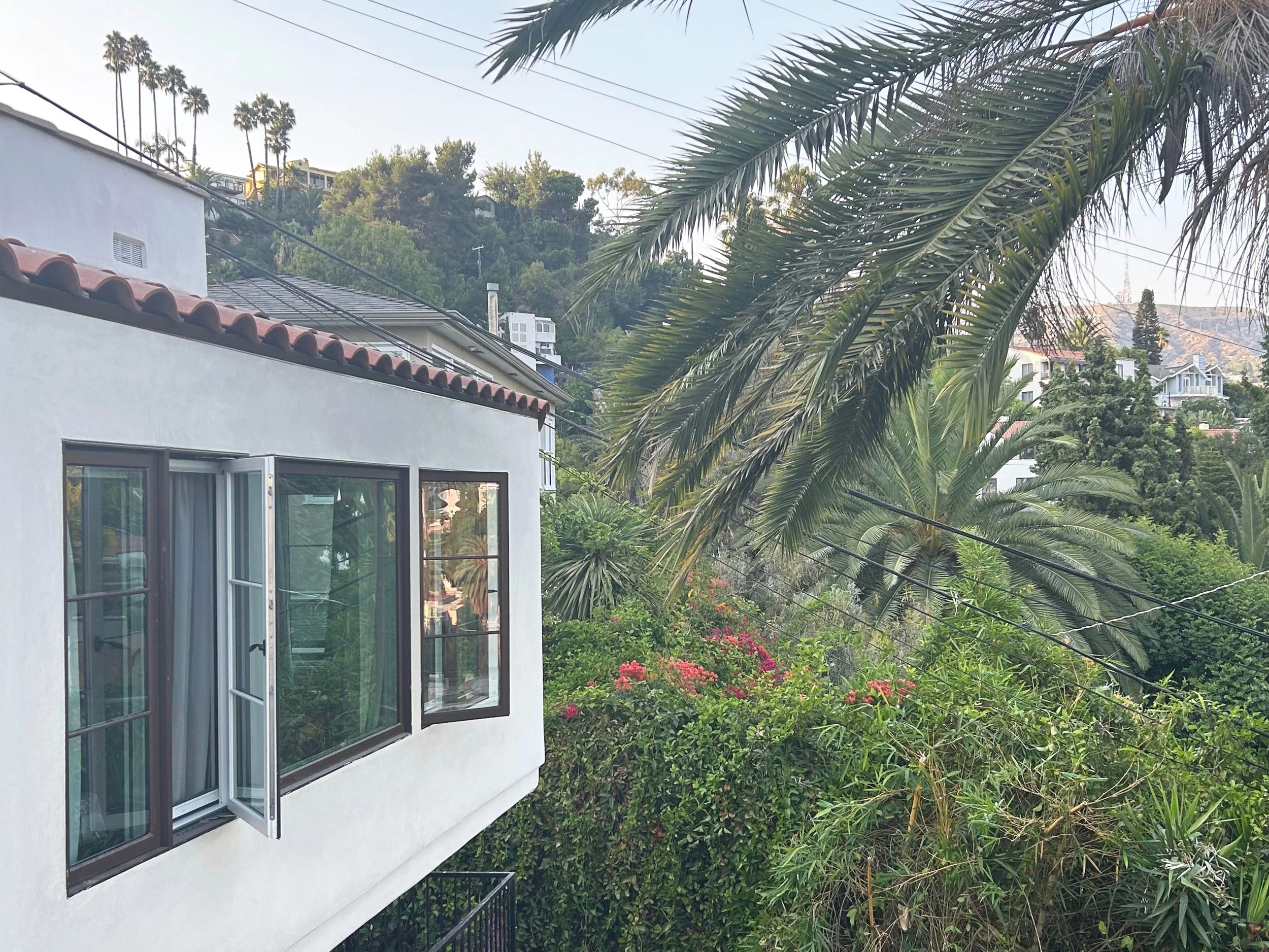
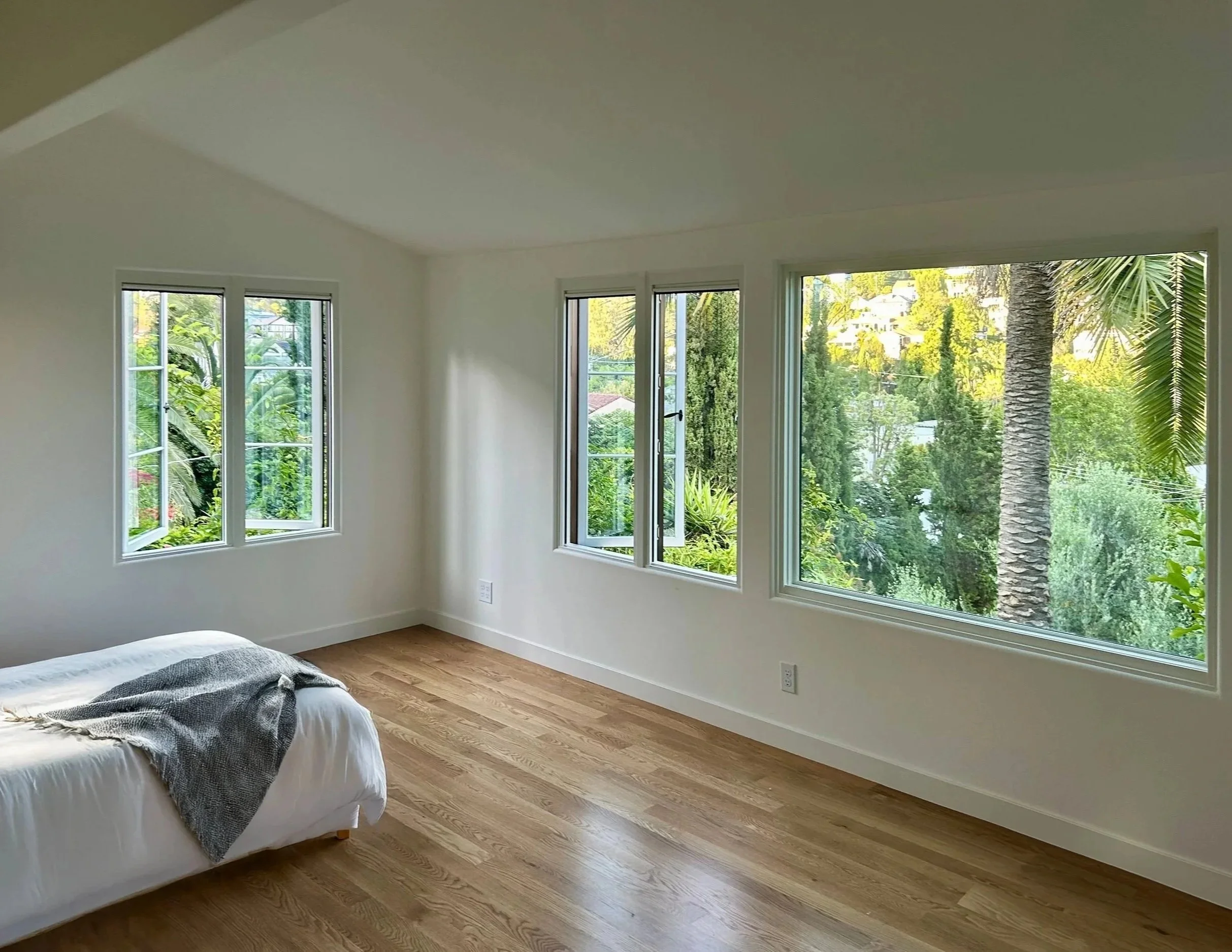
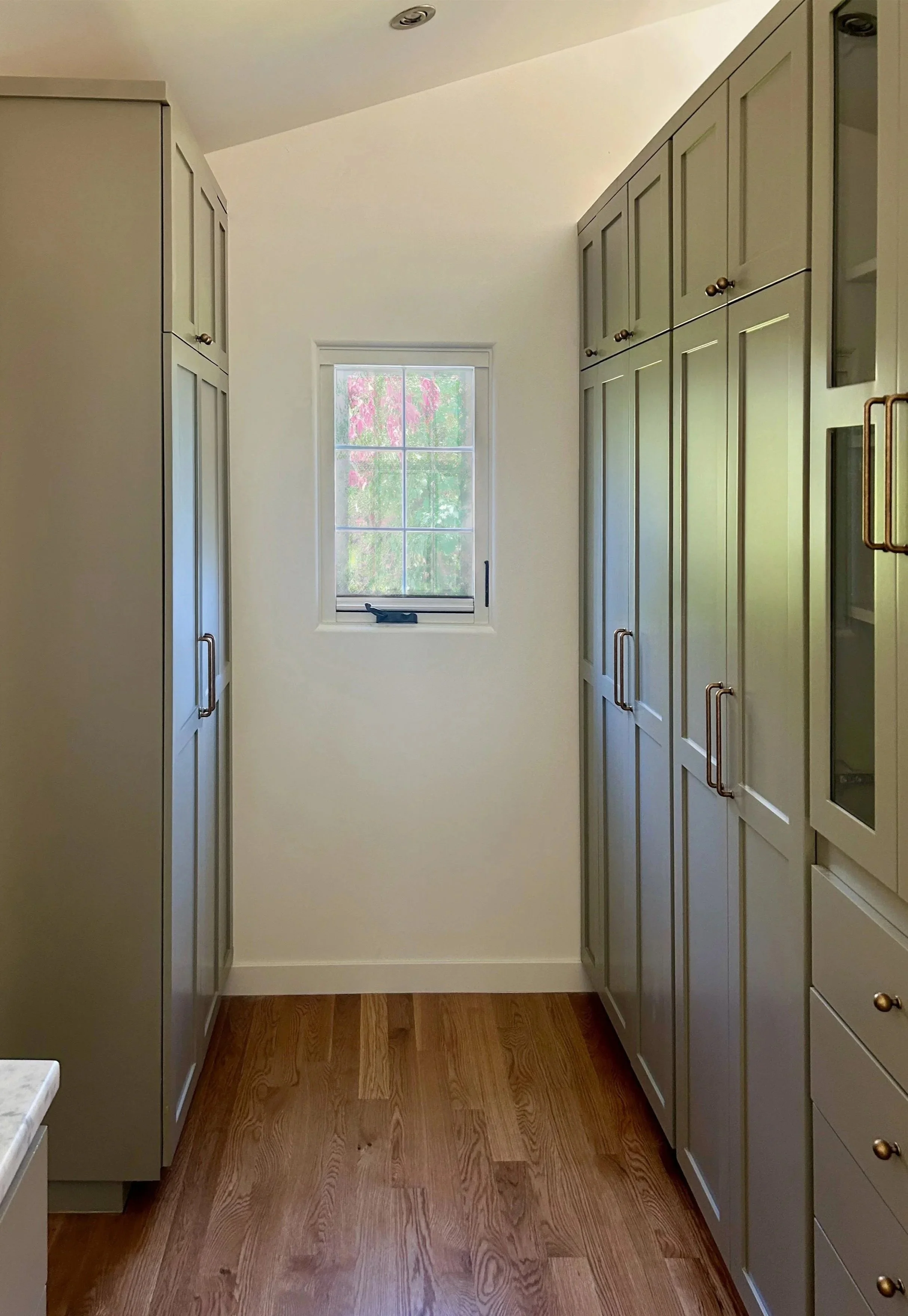
Converted from the former garage, the primary suite opens onto the surrounding vegetation through windows on three sides. The bedroom, bathroom and closet are composed as an intimate retreat, protected and enveloped by nature.
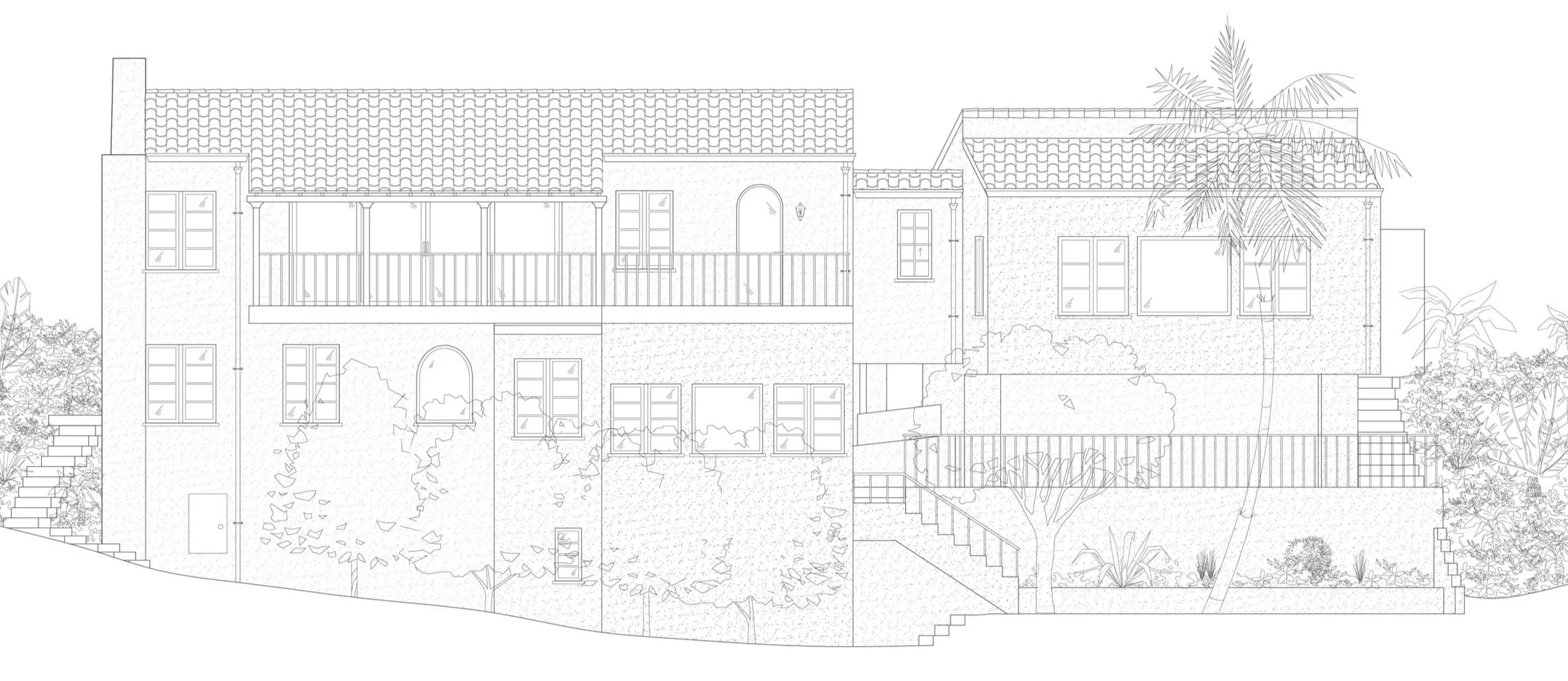
A covered walkway connects the main living area to the primary suite a few steps below. The composition of volumes—the main house, walkway, and suite—forms a distinctive articulation: their walls meet while their roofs remain independent. Along the three roof slopes, a new gutter and downspout system channels rainwater into an underground perforated drain at the base of the hill to manage runoff and erosion.

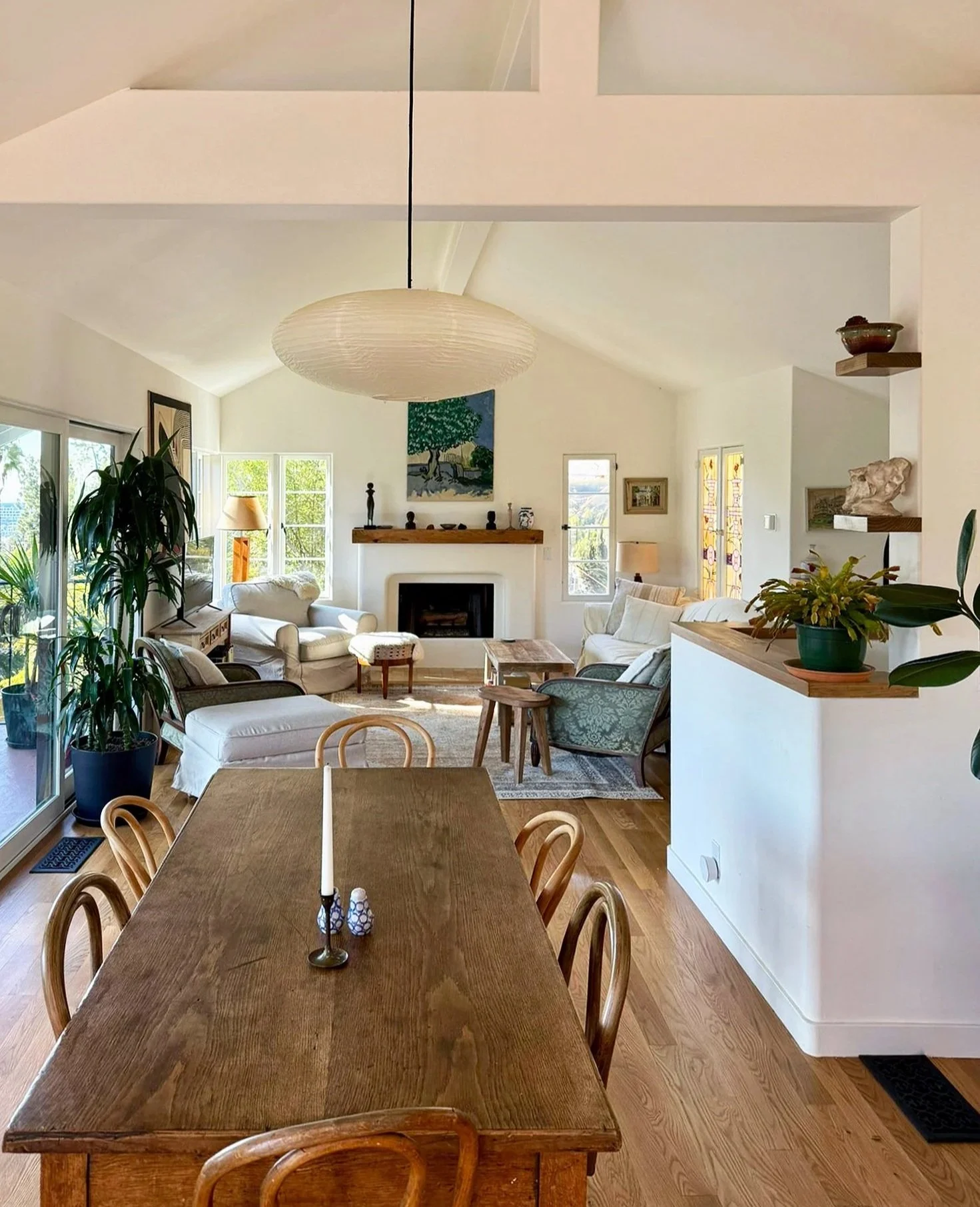
The main living space is open yet subtly structured into zones. The staircase and open shelving introduce transparent filters that create perspectives, layers of reading, and warm alcoves—organizing the space without enclosing it.


Casa Vasanta was completed in september 2024.